
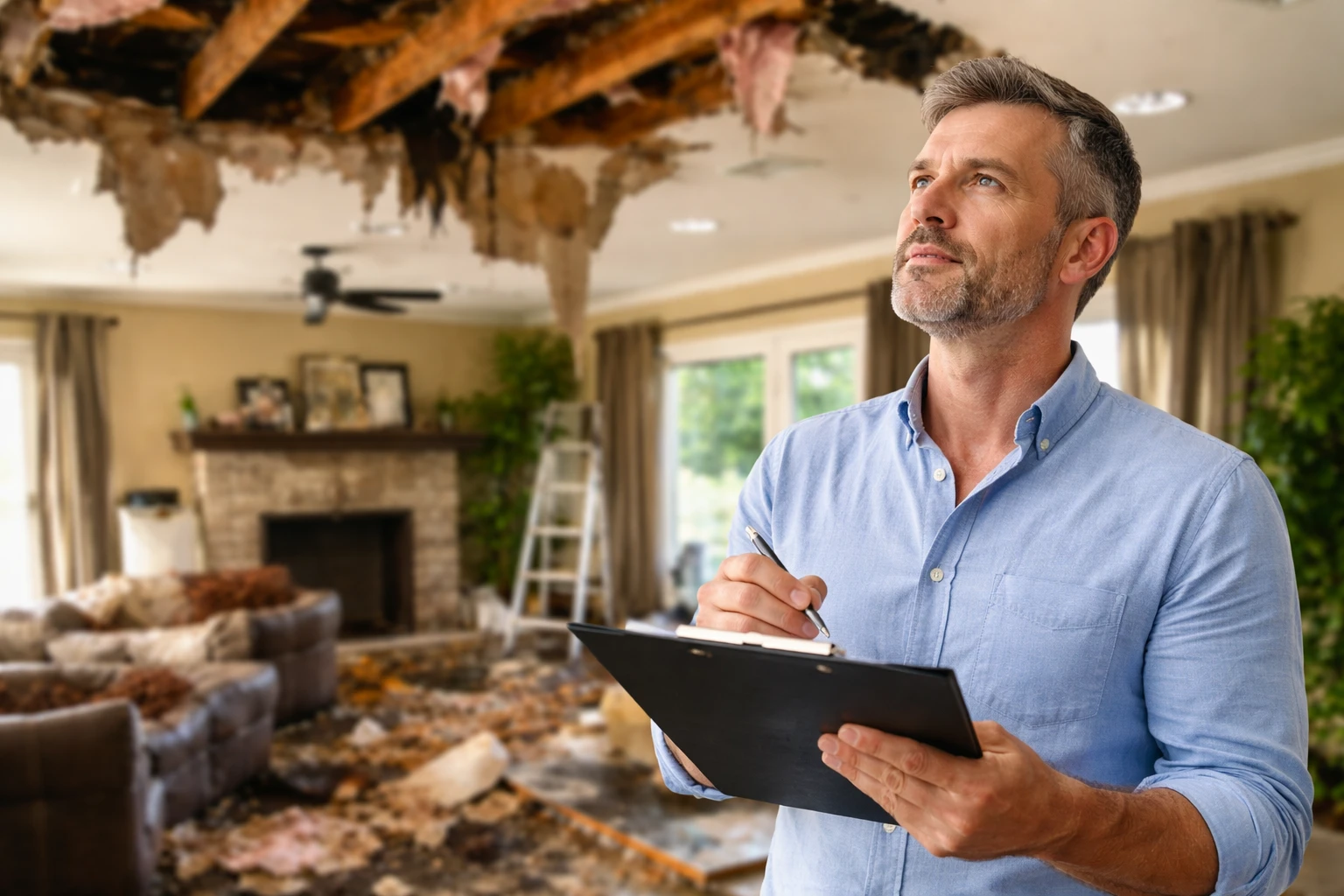
Insurance claims often start with confusion. A storm hits. Water floods the living room. Fire damages a kitchen. Suddenly you are staring at paperwork, inspection appointments, and repair estimates. Most homeowners assume the insurance company will simply handle everything.
But that is rarely how it works.
Understanding when to call a public adjuster can dramatically affect how your insurance claim unfolds. The timing matters. Call too late and you may lose leverage. Call at the right moment and you gain an experienced advocate who works entirely on your behalf.
In cities like Dallas, where severe storms, hail damage, and sudden plumbing failures happen regularly, claims can grow complex very quickly. The truth is simple: many homeowners only realize they needed help after they have already accepted a settlement that was too low.
Let’s walk through exactly when to call a public adjuster, how the process works, and how the right timing can protect your financial recovery after property damage.
Understanding What a Public Adjuster Actually Does
Before deciding when to call a public adjuster, it helps to understand what they actually do.
A public adjuster is a licensed professional who represents the policyholder, not the insurance company. Their job is to evaluate property damage, interpret insurance policies, prepare claim documentation, and negotiate settlements.
Insurance companies also use adjusters. But those adjusters work for the insurer.
Public adjusters work for you.
That distinction matters more than many homeowners realize.
The Key Differences Between Adjuster Types
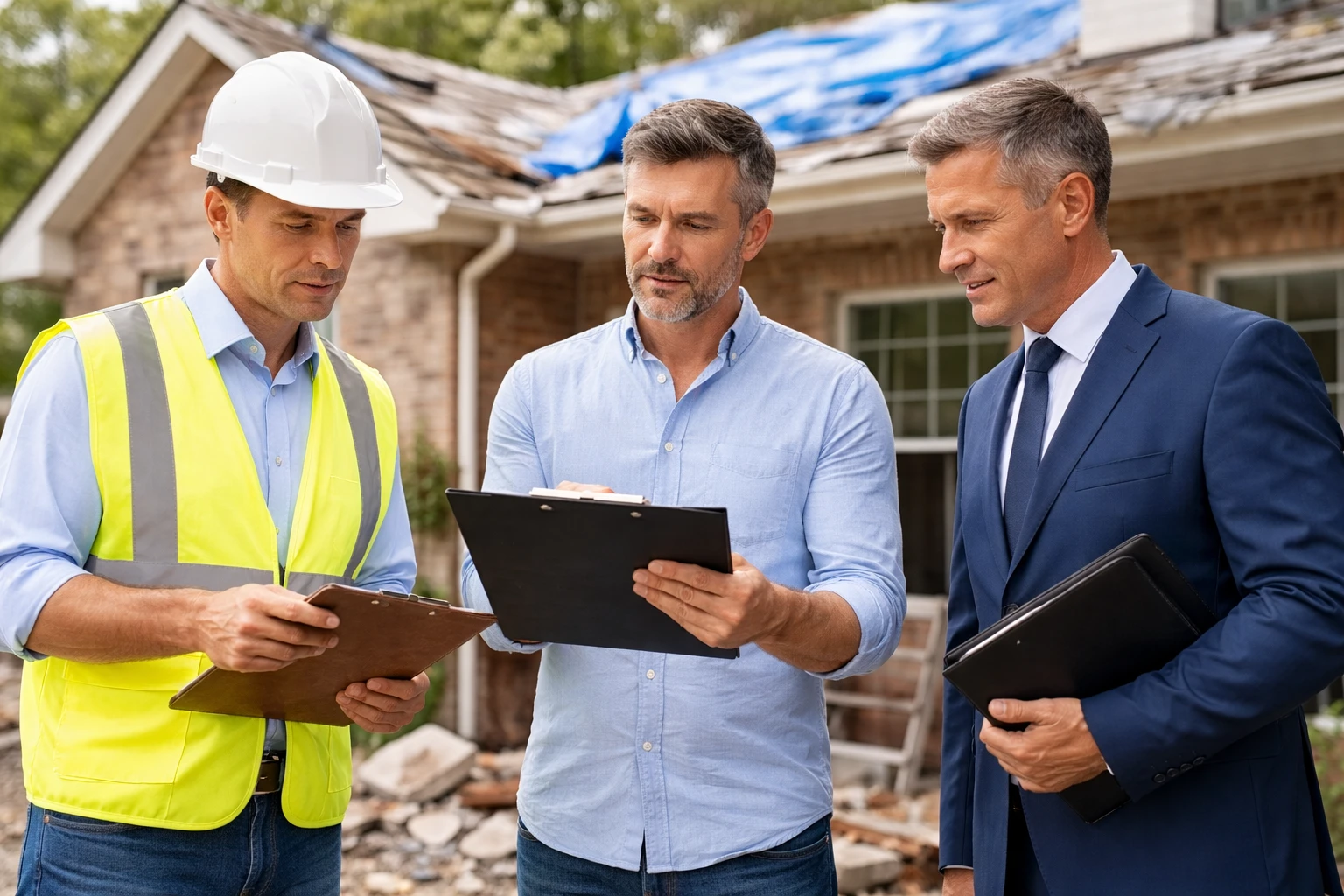
| Type of Adjuster | Who They Work For | Primary Goal |
| Insurance Company Adjuster | Insurance provider | Protect company interests |
| Independent Adjuster | Contracted by insurer | Evaluate claims for the insurer |
| Public Adjuster | Property owner | Maximize policyholder settlement |
A public adjuster steps into the process as your advocate. They handle documentation, claim strategy, and negotiations so you are not navigating the system alone.
Why Insurance Claims Become Complicated
Many people think insurance claims are straightforward. Damage occurs, the insurer pays for repairs, and life moves on.
Reality is rarely that simple.
Insurance policies are lengthy contracts filled with exclusions, coverage limitations, depreciation calculations, and procedural requirements. Missing one step or misunderstanding one clause can impact your settlement.
Several common problems occur during claims.
Frequent Issues Homeowners Encounter
- Insurance offers that underestimate repair costs
- Missing damage in inspection reports
- Long delays between inspections and approvals
- Claim denials based on policy interpretations
- Disputes between contractors and insurers
These situations are exactly why homeowners start researching when to call a public adjuster. Professional representation can help level the playing field.
When to Call a Public Adjuster
This is the central question most property owners face.
There is no single moment that applies to every claim, but certain scenarios clearly signal when to call a public adjuster.
After Major Property Damage
Large losses often involve multiple categories of damage. Structural repairs, contents replacement, temporary housing, and code upgrades can all become part of the claim.
Examples include:
- House fires
- Severe hail storms
- Tornado damage
- Burst pipe flooding
- Large roof failures
In these situations, the insurance claim may reach tens or even hundreds of thousands of dollars.
That is exactly when to call a public adjuster. Major claims benefit from detailed documentation and professional negotiation from the very beginning.
When the Insurance Offer Seems Too Low
This is one of the most common situations where homeowners reconsider their claim strategy.
You receive a settlement offer. It seems helpful at first. But then your contractor provides a repair estimate that is far higher.
Now you are stuck in the middle.
A public adjuster can analyze the claim and determine whether the offer accurately reflects the damage.
Signs the settlement may be underpaid include:
- Repair estimates exceed the insurance payment
- Important damages are missing from the claim report
- Replacement materials differ from the insurer’s estimate
- Structural issues were overlooked during inspection
If you suspect the numbers do not add up, that may be exactly when to call a public adjuster.
When Your Claim Is Taking Too Long
Insurance companies process thousands of claims. After major storms in Dallas, the backlog can be enormous.
Delays are common. But some delays signal deeper issues.
For example:
- Weeks pass without communication
- Inspection reports are repeatedly revised
- Adjusters change multiple times during the claim
- Documentation keeps being requested again and again
These situations create frustration for homeowners who are already dealing with property damage.
Bringing in a professional can help organize the claim and push the process forward. For many people, this is exactly when to call a public adjuster.
When Your Claim Is Denied
Few letters are more frustrating than a claim denial.
It often arrives with language that feels vague or overly technical. Policy exclusions may be cited. Damage may be blamed on pre-existing issues.
But denials are not always final.
A public adjuster can review the policy, inspect the damage independently, and determine whether the denial should be challenged.
Situations where a second opinion is valuable include:
- Storm damage labeled as “wear and tear”
- Water damage classified incorrectly
- Structural issues overlooked during inspection
- Coverage interpretation disputes
This stage is another critical point when to call a public adjuster.
When the Process Feels Overwhelming
Sometimes the issue is not the claim amount.
It is the stress.
Homeowners often juggle several responsibilities after property damage:
- Coordinating contractors
- Documenting losses
- Communicating with insurance adjusters
- Managing temporary living arrangements
It becomes exhausting.
A public adjuster can manage much of that workload. They handle inspections, reports, negotiations, and documentation.
For many families, that relief alone is enough reason when to call a public adjuster.
Situations Where Calling Early Is Best
Many homeowners wait until problems arise. But sometimes the best strategy is to bring in help immediately.
Right After Property Damage Occurs
Early documentation is incredibly important.
Damage evolves quickly. Water spreads. Structural weaknesses worsen. Materials deteriorate.
A public adjuster can begin documenting the loss immediately.
Early claim involvement allows them to:
- Photograph and document damage thoroughly
- Identify hidden damage areas
- Ensure policy coverage categories are applied properly
This early action often strengthens the claim later.
Before Accepting a Settlement Offer
Once a settlement agreement is signed, reopening the claim becomes difficult.
That is why reviewing the offer carefully is essential.
Before accepting payment, homeowners should evaluate:
- Whether all damages were included
- Whether replacement costs are accurate
- Whether additional living expenses are accounted for
If you are unsure about any of these factors, that may be the right moment when to call a public adjuster.
Before Starting Major Repairs
Contractors naturally want to begin repairs quickly. But starting too soon can cause issues.
Insurance companies often require full documentation before approving repair costs.
Beginning repairs before inspections may lead to disputes later.
Public adjusters help ensure:
- Damage is documented properly
- Repair estimates align with the claim
- Insurers cannot dispute the scope later
Types of Claims Where Public Adjusters Are Especially Helpful
Not every claim requires professional representation. Minor claims may resolve quickly.
However, certain claim types consistently benefit from expert involvement.
Fire Damage Claims
Fire losses often involve multiple layers of damage:
- Structural destruction
- Smoke contamination
- Water damage from firefighting efforts
- Personal property loss
Reconstructing these claims requires detailed inventories and documentation.
Storm and Hail Damage
North Texas storms can cause serious damage to roofs, siding, windows, and exterior structures.
Some of the most expensive issues remain hidden.
Roof decking, insulation, and structural supports may be affected even when surface damage appears minor.
Professional inspections often uncover damage homeowners cannot easily see.
Water Damage and Plumbing Failures
Water damage spreads rapidly.
Within hours it can reach subfloors, drywall cavities, and structural framing.
Public adjusters help ensure all affected areas are included in the claim.
Commercial Property Claims
Businesses face an additional layer of complexity.
Claims may include:
- Inventory loss
- Equipment damage
- Business interruption
- Lost income
These claims often involve extensive financial documentation.
The Public Adjuster Process Explained
Hiring a public adjuster does not mean handing over control of the claim.
Instead, it creates a structured process that guides the claim toward resolution.
Step 1: Initial Consultation
The adjuster reviews:
- Your insurance policy
- Damage photos and reports
- Existing claim documentation
They determine whether professional representation will likely improve the claim outcome.
Step 2: Damage Documentation
Detailed inspections are conducted.
Documentation may include:
- Photographs
- Structural reports
- Contractor estimates
- Inventory lists
This step creates the foundation for the claim negotiation.
Step 3: Claim Preparation
The adjuster prepares a full claim package for the insurance company.
This package outlines:
- Scope of damage
- Repair costs
- Coverage categories
- Supporting evidence
Step 4: Negotiation With the Insurance Company
This stage is where expertise matters.
Public adjusters communicate directly with insurance representatives and negotiate the settlement amount.
Their experience allows them to challenge inaccurate estimates or missing damages.
Step 5: Final Settlement
Once both sides reach agreement, the insurance company releases payment according to the policy terms.
Repairs can then proceed with clearer financial expectations.
Benefits of Hiring a Public Adjuster

Many homeowners hesitate before seeking professional help. But the advantages are significant.
Potential Benefits
| Benefit | Explanation |
| Higher settlement potential | Detailed documentation strengthens claims |
| Reduced homeowner stress | Adjuster handles claim communication |
| Organized claim process | Structured documentation prevents disputes |
| Professional negotiation | Experienced advocates understand claim strategy |
While outcomes vary, professional representation often improves claim clarity and accuracy.
What Dallas Homeowners Should Look For in a Public Adjuster
If you decide the timing is right, choosing the right professional matters.
Important Factors to Consider
- Valid Texas public adjuster license
- Experience handling storm damage claims
- Transparent contingency fee structure
- Strong client communication
Local experience also helps. Dallas properties face unique weather risks, particularly hail and wind storms.
Adjusters familiar with those claim types bring valuable insight.
Situations Where You May Not Need One
Public adjusters are not necessary for every claim.
Smaller claims sometimes resolve smoothly without professional help.
Examples include:
- Minor roof repairs
- Small plumbing leaks
- Straightforward property damage with clear coverage
In those cases, the insurer’s claim process may be sufficient.
Common Claim Mistakes Homeowners Make
Even well-prepared homeowners can make errors during the claims process.
Some mistakes are surprisingly common.
Avoid These Problems
- Accepting the first settlement too quickly
- Failing to photograph damage thoroughly
- Throwing away damaged property before documentation
- Starting repairs before inspection
- Misunderstanding policy coverage
Recognizing these risks helps homeowners navigate claims more carefully.
Tips for Working With a Public Adjuster
If you decide the situation requires professional help, collaboration matters.
Best Practices
- Review the service agreement carefully
- Ask how the adjuster documents damages
- Maintain copies of claim documents
- Stay informed about negotiation progress
Public adjusters provide expertise, but homeowners remain part of the decision-making process.
Final Thoughts
Insurance claims are rarely simple. They involve contracts, inspections, estimates, and negotiations that many homeowners encounter only once in their lifetime.
That is why understanding when to call a public adjuster can make such a difference.
Call too late and opportunities may be lost. Call at the right time and you gain an experienced advocate who helps protect your financial recovery.
For Dallas homeowners dealing with fire damage, storms, water losses, or complex insurance disputes, recognizing when to call a public adjuster may be the most important decision in the entire claims process.
And sometimes, that one decision can change the outcome of the claim completely.
FAQs
A public adjuster is a licensed professional who represents policyholders during insurance claims and works to secure a fair settlement from the insurance company.
You should consider when to call a public adjuster after major property damage, when a claim is denied, or when the insurance settlement seems too low.
Yes. Many homeowners hire a public adjuster after the claim has started, especially if problems arise with the settlement or the claim process.
Most public adjusters work on a contingency basis, meaning they receive a percentage of the final settlement rather than charging upfront fees.
Yes. Public adjusters can review your policy, reassess the damage, and negotiate with the insurance company to challenge a denied claim.
In many cases, hiring a public adjuster can actually help organize the claim and move it forward more efficiently.
Some do, but they are typically most helpful for larger or more complex claims where damage documentation and negotiation are critical.
Public adjusters often assist with claims involving fire damage, storm damage, water damage, roof damage, and large property losses.
You can check licensing through your state’s insurance department to confirm the adjuster is properly authorized to work in your area.
While results vary, public adjusters often help identify overlooked damages and negotiate with insurers to pursue a more accurate claim payout.