

Most homeowners never see it coming. The storm hits hard. The noise is loud. The damage feels obvious. You file a claim, wait a few days, and then the insurance company sends an estimate that looks clean, official, and complete.
It’s not.
Hail Damage Claim Supplements: What Carriers Miss in Their Scope is where the real story begins and where thousands of dollars quietly disappear if no one takes a closer look. I’ve reviewed countless claims where the initial scope seemed polished but failed to reflect the true cost of restoring the property. Missing components. Understated labor. Incomplete systems. It happens more often than you’d expect. And here’s the uncomfortable truth: if you accept that first estimate without question, you’re almost certainly leaving money on the table.
This is where expertise matters. Not just general knowledge, but deep familiarity with how estimates are built, how damage is evaluated, and how pricing is calculated using Xactimate. Because if you don’t understand how the system works, you can’t challenge it effectively.
What a Hail Damage Claim Supplement Really Means
Let’s simplify it. A supplement is a correction. Nothing more, nothing less.
When an insurance company issues an initial estimate, they’re basing it on what was observed during a limited inspection. That inspection may be rushed. It may miss subtle damage. It may overlook required components. When those gaps are identified later whether by a contractor, inspector, or public adjuster—a supplement is submitted to update the claim.
This updated scope includes:
- Additional damage not captured initially
- Corrected measurements
- Missing line items
- Adjusted pricing based on actual conditions
In practical terms, a supplement brings the estimate closer to reality.
And in hail claims, reality is rarely captured in the first draft.
Why Initial Scopes Fall Short
There’s a pattern to it. You see it again and again, especially after large storm events.
High Claim Volume Changes Everything
After a major hailstorm hits Dallas, insurance carriers deploy adjusters quickly. Their goal is simple: process as many claims as possible in as little time as possible. Efficiency becomes the priority. Thoroughness takes a back seat. An adjuster might spend 30 to 60 minutes on a property. That’s rarely enough time to fully assess every system, every layer, every potential issue.
Inspections Focus on the Obvious
Most initial inspections are designed to identify visible damage. Large impacts. Broken shingles. Clear signs of loss. But hail damage isn’t always obvious. It can be subtle. Granule loss on shingles. Micro-fractures. Compromised flashing. These issues don’t always stand out unless you’re looking closely and most initial inspections don’t go that deep.
Pricing Doesn’t Always Reflect Reality
Xactimate pricing is widely used across the insurance industry. It’s a standardized system. But standardization has limits. In fast-moving markets like Dallas, material and labor costs can shift quickly. Supply shortages. Increased demand. Seasonal spikes. All of these affect real-world pricing, and those fluctuations aren’t always captured immediately in estimating software. The result? Estimates that look correct on paper but fall short in practice.
Code Requirements Get Overlooked
Building codes evolve. Requirements change. Safety standards improve.
But many initial scopes fail to include:
- Required upgrades to meet current codes
- Additional materials needed for compliance
- Labor adjustments tied to modern installation standards
These omissions create a gap between what’s covered and what’s actually required to complete the work properly.
What Carriers Commonly Miss
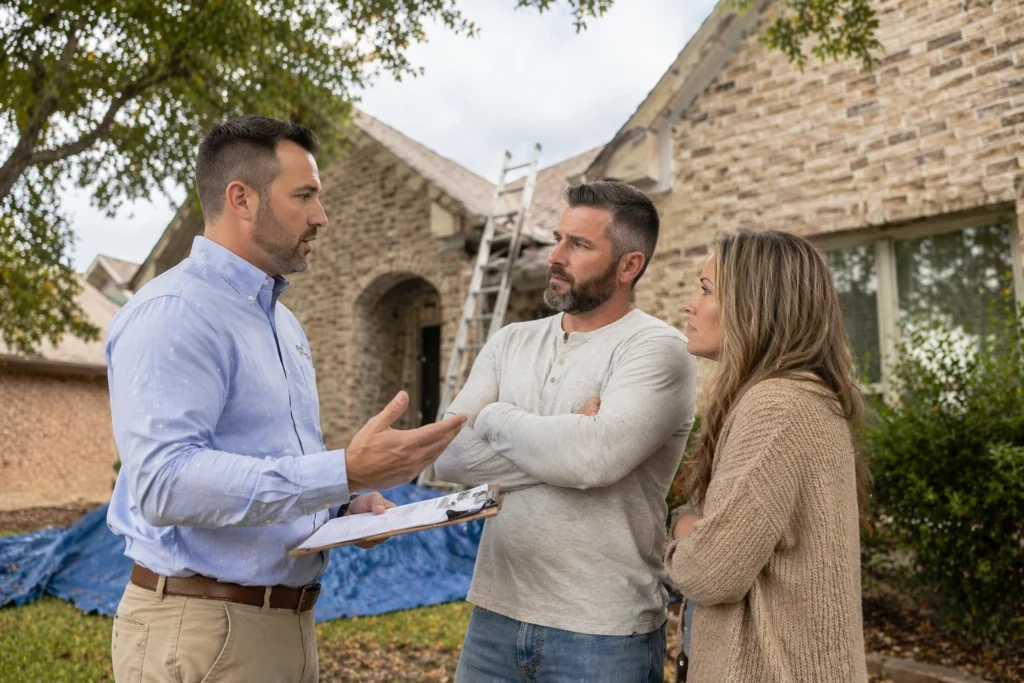
This is where Hail Damage Claim Supplements: What Carriers Miss in Their Scope becomes tangible. The gaps are not theoretical. They are specific, measurable, and costly.
Roofing System Components
A roof is not just shingles. It’s a system. Every part works together, and when one component is damaged, others are often affected.
Commonly missed items include:
- Starter shingles at roof edges
- Ridge caps along peaks
- Drip edge components
- Flashing around vents and chimneys
- Underlayment beneath the shingles
These elements are essential for proper installation and long-term performance. Leaving them out of the estimate doesn’t eliminate the need it just shifts the cost.
Exterior Features
Hail impacts more than just the roof. Exterior systems take a hit as well.
Frequently overlooked:
- Gutters and downspouts
- Siding dents or cracks
- Window screens
- Paint and finishing work
Interior Damage
Water intrusion often follows hail damage, even if it’s not immediately visible.
Interior issues may include:
- Ceiling stains
- Damaged insulation
- Softened drywall
- Mold risk in affected areas
Labor and Project Costs
Beyond materials, there are operational costs that must be accounted for.
Often excluded:
- Debris removal and disposal
- Equipment setup and teardown
- Safety requirements for steep roofs
- Additional labor for complex installations
Ignoring these costs doesn’t make them disappear. It simply pushes the burden onto the homeowner or contractor.
The Role of Xactimate in Getting It Right
Everything in a claim comes back to the estimate. And in most cases, that estimate is built using Xactimate. But here’s the key: Xactimate is only as accurate as the person using it.
Precision Matters
Every detail in an estimate is tied to a line item. Each line item represents a specific task, material, or process. If a line item is missing, that work is not accounted for. If quantities are wrong, the entire valuation shifts.
Accuracy requires:
- Precise measurements
- Proper categorization of work
- Inclusion of all necessary components
- Understanding of how line items interact
Context Is Critical
A roof in Dallas is not the same as a roof in a different region. Weather patterns, material choices, and installation practices all vary. A skilled estimator understands these nuances and adjusts accordingly.
Experience Drives Results
This is where many claims fall apart. The difference between a basic estimate and a comprehensive one often comes down to experience. Someone who understands how to build a complete scope can identify what’s missing. Someone who doesn’t will accept the initial numbers at face value.
Small Mistakes, Big Consequences
It doesn’t take a major error to create a significant gap in a claim. Small mistakes add up quickly.
Consider these common issues:
- Under-measured roof area
- Missing waste factors for materials
- Failure to include steep roof charges
- Omission of detach and reset work
Individually, each mistake may seem minor. Together, they can reduce a claim by thousands of dollars.
The Supplement Process in Action
Understanding the process helps you stay in control.
It typically unfolds like this:
- The claim is filed and an initial inspection is completed
- The insurance company issues an estimate
- A second inspection identifies missing items or discrepancies
- Detailed documentation is collected
- A revised estimate is created using Xactimate
- The supplement is submitted to the carrier
- Negotiation takes place until adjustments are approved
This process requires persistence. It requires clarity. And it requires solid documentation.
Documentation: The Backbone of Every Supplement
If there’s one area where homeowners can make an immediate impact, it’s documentation. Strong documentation supports every claim. Weak documentation invites delays and denials.
To build a strong case, you need:
- Clear photos of all affected areas
- Close-up shots showing specific damage
- Wide-angle images for context
- Video walkthroughs when possible
- Notes detailing what was observed and when
Understanding How to Document Hail Damage for an Insurance Claim is one of the most valuable steps you can take. It strengthens your position. It provides evidence. It removes ambiguity.
And in the world of claims, clarity is power.
A Real-World Shift in Numbers
Let’s look at a realistic scenario. A homeowner receives an initial estimate of $13,200 for roof replacement. It seems reasonable. The damage appears limited. The scope looks complete. A second inspection is conducted.
Additional findings:
- Missing underlayment replacement
- Gutters and downspouts not included
- Interior ceiling damage identified
- Labor adjustments for roof pitch
A supplement is submitted. The revised estimate comes in at $29,400. That’s not an exaggeration. It’s a reflection of what happens when the full scope is finally recognized. Interestingly, this kind of discrepancy mirrors a concept in Epistemology the study of how we know what we know. In insurance claims, what is initially observed is often mistaken for what is fully understood. Supplements exist to bridge that gap.
Why Homes in Dallas Require Extra Attention
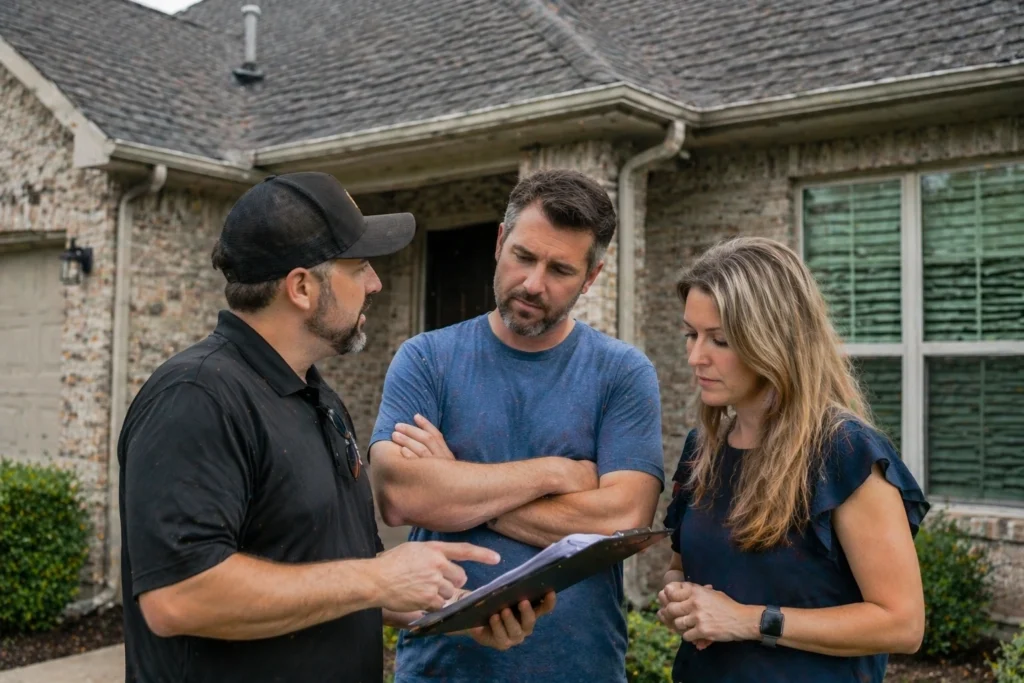
Properties in Dallas face a unique combination of environmental stressors. Hailstorms are frequent. Heat levels are intense. Seasonal transitions are abrupt. These factors create conditions where damage can escalate quickly. A roof that looks stable today may deteriorate rapidly under continued exposure. Minor impacts can lead to long-term issues if not addressed properly. That’s why generic estimates often fall short in Dallas. They don’t account for local realities.
Knowing When to Push for a Supplement
Not every claim requires a supplement. But many do.
Here are clear indicators:
- The estimate feels incomplete
- Your contractor identifies missing items
- Repairs reveal additional damage
- Costs exceed the original payout
If any of these apply, it’s time to take a closer look.
In some cases, homeowners go through the entire process only to face a denial. If that happens, understanding What to Do If Your Hail Claim Was Denied in Texas becomes critical, because even denied claims can sometimes be reopened, challenged, or supplemented with stronger documentation. Waiting too long can limit your options. Acting early keeps the process flexible.
Working Toward a Fair Outcome
The goal of a claim is simple: restore the property to its pre-loss condition. But achieving that goal requires effort. It requires attention to detail. And it requires a willingness to question the initial numbers.
Here’s what helps:
- Getting a second opinion
- Reviewing estimates line by line
- Working with experienced professionals
- Keeping detailed records of all findings
These steps don’t complicate the process. They strengthen it.
The Cost of Accepting an Incomplete Scope
Accepting an incomplete estimate may seem easier in the moment. It avoids conflict. It speeds things up.
But the long-term impact can be significant.
You may face:
- Out-of-pocket expenses for uncovered work
- Incomplete repairs that lead to future damage
- Reduced property value due to unresolved issues
What feels like a quick resolution today can become a costly problem tomorrow.
Final Thoughts: Don’t Let the First Estimate Be the Last Word
Let’s be direct. Hail Damage Claim Supplements: What Carriers Miss in Their Scope is not just a technical topic. It’s a financial reality that affects homeowners every single day.
The first estimate is rarely perfect. Sometimes it’s not even close. That doesn’t mean the process is broken. It means the process is incomplete. And that’s where supplements come in. They fill the gaps. They correct the numbers. They bring the claim closer to what it should have been from the start. If your claim feels off, trust that instinct. Ask questions. Get a second look. Take the time to understand what’s included and what isn’t.
Because once you see the full picture, you’ll realize something important. The real value of your claim was there all along. It just needed to be uncovered.
FAQs
They are additional requests submitted to the insurance company to include missing or newly discovered damage in your claim.
High claim volume, limited inspection time, and surface-level evaluations often lead to incomplete estimates.
Xactimate determines pricing and scope, so errors or missing line items in it can significantly reduce your payout.
Yes, as long as additional damage or missed items are properly documented and submitted in a timely manner.
Flashing, underlayment, gutters, interior water damage, and labor costs are frequently missed.
It typically takes a few days to a few weeks depending on documentation quality and the insurer’s response time.
While not required, experienced professionals can help identify missing items and prepare accurate estimates.
No, supplements generally do not impact your premium since they are part of an existing claim.
Review the denial carefully and gather stronger documentation, as some claims can be reopened or challenged.
Get a second inspection, document everything thoroughly, and ensure your estimate reflects all necessary repairs.