

Filing a homeowners claim sounds simple until you are in the middle of it. Policies are long, adjusters change, and the first estimate can leave out much of what it will cost to put your home back together. Dallas Public Adjuster provides policyholder representation on residential property insurance claims in Dallas and across Dallas County, from Highland Park and University Park to Richardson, Garland, Mesquite, Irving, and Grand Prairie. We help homeowners understand their coverage, document the full scope of the damage, and present the claim clearly to the insurance company.
Residential Claims We Handle in Dallas
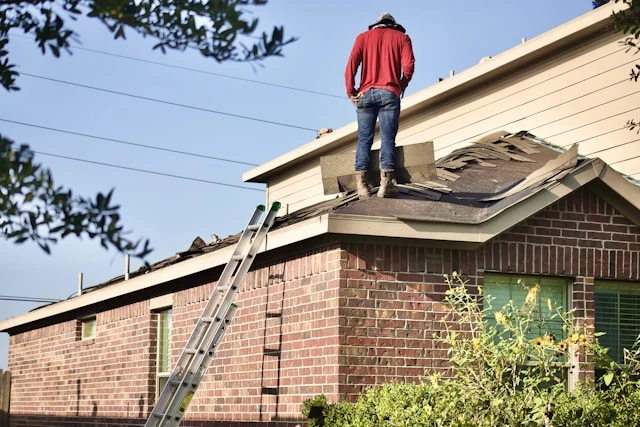
Roof and hail damage
North Texas sits in the southern Plains hail belt. NOAA records list 841 hail reports in Dallas County since 1955, with the season peaking in April and May. Hail can bruise shingles, crack ridge caps, dent gutters and vents, and damage siding, screens, and fences. See hail damage claims and roof damage insurance claims.
Storm and wind damage
Severe straight-line winds can lift shingles, peel back flashing, and topple trees onto homes. On May 28, 2024, the National Weather Service found winds up to 95 mph in Garland and up to 90 mph in Richardson. Tornadoes, such as the EF3 that crossed north Dallas on October 20, 2019, can cause structural damage. See wind damage claims.
Water leaks and burst pipes
Plumbing failures, appliance leaks, slab leaks, and freeze damage are common homeowners claims. Coverage often depends on whether the water was sudden and accidental. See water damage claims.
Fire and smoke
Fire losses involve structural repair, smoke and soot cleaning, odor removal, water damage from firefighting, contents, and living expenses while the home is being repaired. See fire damage claims.
Mold-related damage
Mold that follows a covered water loss may be covered in part, but many policies cap or exclude mold. Acting quickly after a leak helps limit both the damage and the dispute.
What Makes Dallas Homes Different
Housing across Dallas varies widely, and the details matter when an adjuster writes an estimate. Many homes are brick veneer with composition shingle roofs. Tudor and Craftsman homes in the Park Cities often have steep roofs, complex flashing, and specialty materials. Older pier-and-beam houses in Lakewood, the M Streets, Lower Greenville, and Oak Cliff have crawlspaces and original plumbing that can be hard to inspect. Mid-century ranches in Lake Highlands and Richardson may have long, low roofs with multiple layers or older decking.
The region’s expansive Blackland Prairie clay soils also cause foundation movement and cracking. Foundation movement from soil is usually excluded, but damage caused by a covered event, such as water from a plumbing leak, may be treated differently. Check your policy.
Understanding Your Homeowners Policy
Before negotiating any claim, it helps to know what your policy actually says. Key sections include:
| Policy item | Why it matters |
|---|---|
| Coverage A (Dwelling) | Pays to repair the house itself; often used to calculate percentage wind/hail deductibles |
| Coverage B (Other Structures) | Fences, detached garages, sheds, and pergolas |
| Coverage C (Personal Property) | Contents such as furniture, clothing, and electronics |
| Coverage D (Loss of Use) | Additional living expenses if the home cannot be lived in during repairs |
| Replacement cost vs. ACV | Determines whether depreciation is held back and released after repairs |
| Ordinance or law | May pay for code-required upgrades, up to a limit |
| Exclusions and endorsements | Flood, mold, wear and tear, cosmetic roof damage, and other limits |
For more on depreciation, read replacement cost vs. actual cash value in Texas.
Contents and Living Expenses Are Part of the Claim
Homeowners often focus on the roof or the drywall and forget the rest of the policy. If a fire, a burst pipe, or a storm damages furniture, rugs, electronics, or clothing, those items may be covered under personal property coverage, subject to your policy’s limits and valuation terms. A room-by-room inventory with photos, approximate ages, and purchase information makes that part of the claim far easier to present.
If the house cannot be lived in during repairs, loss of use coverage may help with hotel stays, rent, and some extra costs such as increased mileage or meals above your normal spending. Keep every receipt, and ask the insurer in writing how it handles advances and approvals for living expenses. Our claim documentation checklist covers what to save.
Our Residential Claim Process
- Free claim review. We talk through what happened, what the insurer has said so far, and whether representation makes sense.
- Policy review. We read your declarations page, coverages, endorsements, and exclusions.
- Inspection and documentation. We inspect the roof, exterior, interior, and other structures, and document with photos and Matterport 3D imaging where it helps.
- Estimate. We prepare a detailed Xactimate estimate reflecting the full scope and local pricing.
- Presentation and negotiation. We submit the claim package and handle communication with the insurer’s adjuster.
- Supplements and follow-through. If more damage is found during repairs, we help document a supplement and track recoverable depreciation.
When a Homeowner Should Consider Help
- The damage is extensive, hidden, or spread across multiple parts of the home.
- The settlement offer does not cover your contractor’s repair cost.
- The claim is delayed, partially denied, or the insurer keeps asking for more information.
- You feel overwhelmed by the paperwork while also managing repairs and family life.
What We Do Not Do
A public adjuster represents the insured only. We do not perform repairs on a claim we adjust, and we do not give legal advice. If your claim involves a lawsuit, bad faith, or a deadline to sue, we recommend speaking with a Texas attorney. We also cannot promise a particular settlement. Our job is to make sure the claim is accurate, well documented, and clearly presented.
Fees are disclosed in a written contract before any work begins; Texas law caps public adjuster compensation at 10% of the insurance settlement. To find out whether we can help with your homeowners claim, request a Free Claim Review.
Frequently Asked Questions
What types of homeowners claims do you help with?
We work on residential claims involving hail and roof damage, wind and storm damage, water leaks and burst pipes, fire and smoke, and mold-related damage that follows a covered water loss. We also help with condos, townhomes, duplexes, and rental homes, whether owner-occupied or tenant-occupied.
Do I need a public adjuster for a small claim?
Not always. Small, straightforward claims are often resolved fairly without outside help. A public adjuster tends to add the most value when the damage is extensive, hidden, disputed, or the insurer’s estimate does not cover the cost of repairs.
What is my wind/hail deductible?
Many Texas homeowners policies have a separate wind and hail deductible, often a percentage of your dwelling (Coverage A) limit, such as 1% or 2%. On a home insured for $400,000, a 2% deductible would be $8,000. Check your declarations page for the exact figure.
Will my claim pay to replace my whole roof?
It depends on the extent of the damage, your policy’s roof provisions, and whether repairs are possible with matching materials. Some Texas policies pay roofs on an actual cash value basis or use a roof payment schedule. Read your policy and the insurer’s estimate side by side.
Can I still get help if I already filed my claim?
Yes. A public adjuster can step in after a claim is filed, after an inspection, or after a payment you believe is too low. Getting help earlier can make documentation easier, but many homeowners reach out once they see the first estimate.
How are public adjusters paid in Texas?
Fees are disclosed in a written contract before any work begins; Texas law caps public adjuster compensation at 10% of the insurance settlement. The contract must also allow you to cancel within 72 hours of signing.